

24x36 led mirror
Understanding One-Way Water Check Valves Functionality and Applications One-way water check valves are essential components in various plumbing and fluid management systems. Their function is simple yet critical they allow water or other liquids to flow in one direction while preventing backflow. This capability is crucial in maintaining system integrity, ensuring that water flows as intended without the risk of contamination or damage from reverse flow. How One-Way Check Valves Work The operation of a one-way check valve is based on a straightforward principle of mechanics. The valve consists of a body, a disc or ball, and a seat. When water flows in the intended direction, the pressure pushes the disc or ball off the seat, allowing fluid to pass through. When the flow reverses, the pressure drop forces the disc or ball back onto the seat, effectively sealing the valve and stopping any backflow. This automatic operation eliminates the need for manual intervention and relies entirely on fluid dynamics. Importance in Plumbing Systems In residential and industrial plumbing, one-way check valves play a pivotal role. For instance, they are commonly employed in sump pumps and drainage systems to prevent water from flowing back into a sump pit or basin once it has been pumped out. The presence of a check valve ensures that the system remains efficient and free from contamination. Similarly, in irrigation systems, these valves prevent the backflow of chemicals or fertilizers into the primary water supply, safeguarding public health and maintaining water quality. Industrial Applications one way water check valve Beyond residential use, one-way check valves are critical in various industrial applications. They are found in systems that handle wastewater, petrochemicals, and other fluids. In these settings, the integrity of the system is vital to prevent leaks, spills, and potential environmental hazards. The use of check valves can help in managing pressure differentials and ensuring that processes run smoothly without disruptions caused by fluid backflow. Choosing the Right Check Valve When selecting a one-way water check valve, several factors must be considered. The valve must be compatible with the type of fluid involved, the pressure conditions, and the temperature of operation. Materials such as brass, stainless steel, and PVC are common choices, each offering different levels of resistance to corrosion and wear. Additionally, factors like flow rate and installation requirements must be carefully evaluated to ensure optimal performance. Maintenance and Lifespan One-way check valves generally require minimal maintenance; however, regular inspections are advisable to ensure full functionality. Over time, debris and minerals can accumulate, potentially compromising the valve's effectiveness. In harsh operating conditions, valves may wear out faster, necessitating replacement. Following manufacturer guidelines for maintenance can prolong the lifespan of these valves and ensure they function as intended. Conclusion In summary, one-way water check valves are integral to the efficient operation of various fluid systems. Their ability to prevent backflow makes them indispensable in both residential and industrial applications. By understanding how these mechanisms work and their significance across different settings, users can better appreciate the role they play in maintaining system integrity and preventing potential hazards. Whether in a simple home plumbing system or a complex industrial setup, one-way check valves are a small but mighty component that ensures fluid systems operate smoothly and safely.
about
24x36 led mirror
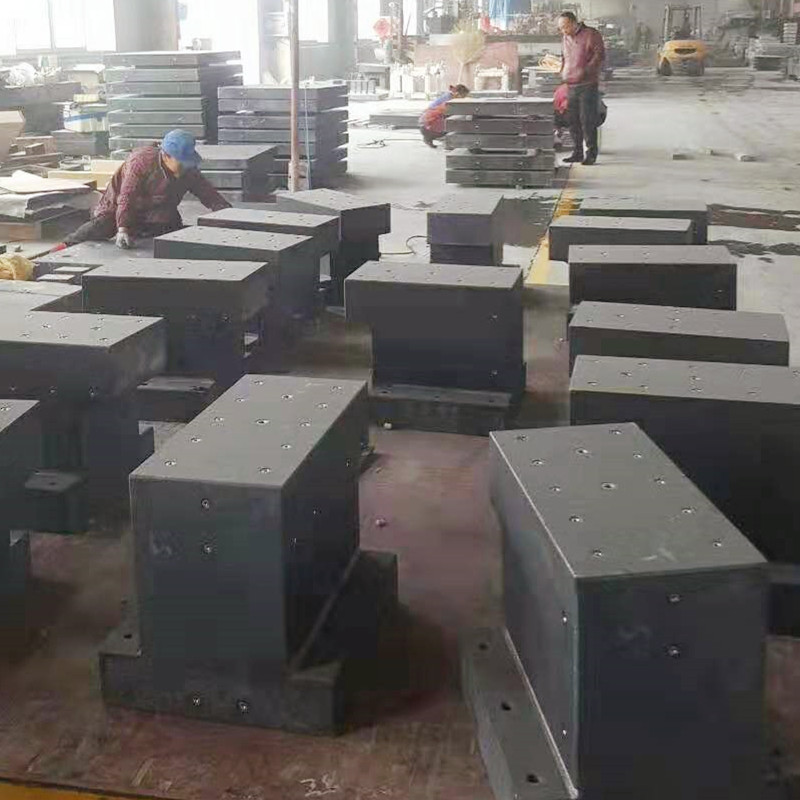
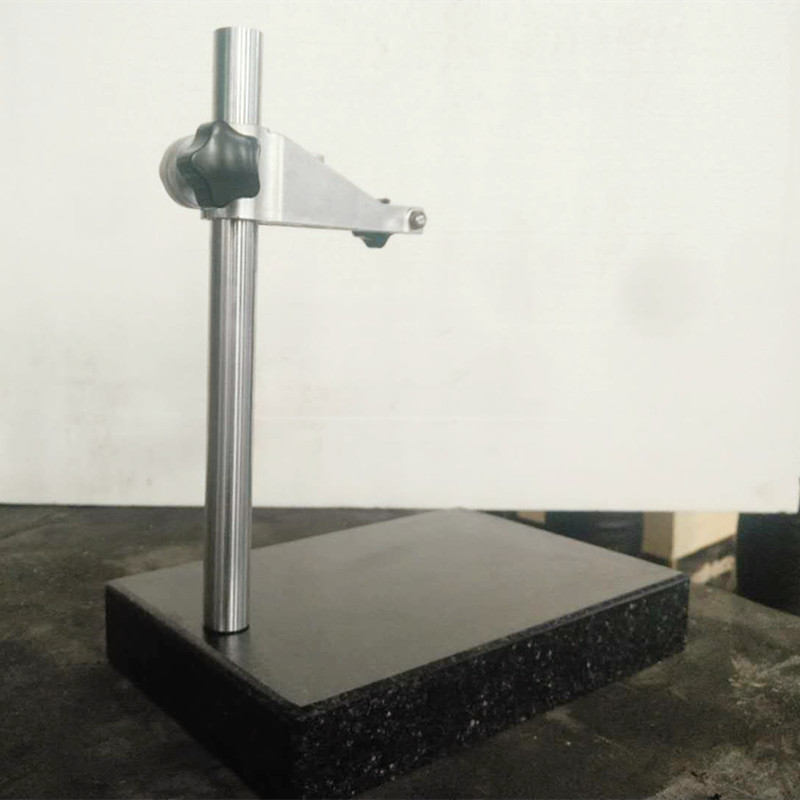
Understanding Surface Plates Precision Tools for Measurement and Machining In the world of manufacturing and engineering, precision is paramount. One of the tools that plays a crucial role in achieving extraordinary precision is the surface plate. Surface plates are flat, often rectangular, structures used as a reference in the mechanical and manufacturing industries. They are primarily made from granite, cast iron, or composite materials and serve as an ideal base for measuring and inspecting workpieces. The Purpose of Surface Plates Surface plates are designed to provide a stable and flat reference surface on which measurements can be taken or machining operations performed. Their primary purpose is to ensure accuracy and repeatability in measurements. When parts are being manufactured, even the smallest deviation from specified dimensions can lead to significant issues in performance and quality. Surface plates help to mitigate these problems by offering a reliable reference point. During inspections, surfaces plates allow engineers and quality control analysts to determine whether a part meets the necessary specifications. Using precision instruments such as micrometers, calipers, and height gauges, technicians can make accurate measurements against the flat, stable surface provided by the plate. This consistent reference is essential in achieving quality assurance in production lines. Types of Surface Plates Surface plates come in various materials, each offering specific advantages and suitability for different applications 1. Granite Surface Plates Granite is the most commonly used material for surface plates due to its natural ability to retain flatness and stability over time. Granite plates are resistant to scratches, wear, and temperature changes, making them perfect for precision work in any environment. 2. Cast Iron Surface Plates Cast iron plates are durable and provide good stability. They can be found in foundries and workshops where heavy machinery is used. However, they are more susceptible to rust and require regular maintenance to keep them functional. 3. Synthetic Surface Plates Made from composite materials, synthetic plates are lightweight and resistant to thermal expansion. They can be a great alternative for specialized applications, where weight savings are critical or where work is performed in non-traditional environments. surface plate Key Features of Surface Plates When selecting a surface plate, several features must be considered to ensure it suits specific needs - Flatness The primary criterion for a surface plate is its flatness. Manufacturers often provide specifications that define the allowable flatness tolerances. The flatter the plate, the more accurate the measurements taken on it will be. - Size Surface plates are available in various sizes. The choice of size depends on the types of workpieces being measured or machined. A larger plate may be required for larger components, while smaller plates can suffice for precise work on smaller items. - Durability Depending on the operational environment, surface plates should be durable enough to withstand the conditions they will face. For instance, a shop exposed to oil, cooling fluids, and heat may call for plates that can resist corrosive materials. - Portability In some applications, the need for portability is essential. Portable surface plates are readily available and often made from lighter materials, allowing for easy transportation between workspaces. Maintenance of Surface Plates To ensure long-term accuracy, surface plates require proper maintenance. Regular cleaning to remove dust, debris, or oil is essential, as any contaminants can affect measurement readings. Additionally, periodic checks for flatness and any signs of wear will help maintain optimal functionality. In conclusion, surface plates are indispensable tools in the realm of precision engineering, providing a reliable reference for measurements and machining. Their contributions extend far beyond simple measurement; they play a pivotal role in ensuring quality and precision across various manufacturing processes. Selecting the right type of surface plate for specific applications can significantly enhance effectiveness, leading to improvements in overall product quality and customer satisfaction.
-

High quality industrial productsagement

High quality industrial products
View Details -

Meet the diverse needs of customers

Meet the diverse needs of customers
View Details -

Strict quality control

Strict quality control
View Details -

Top raw materials

Top raw materials
View Details -

Trusted supplier

Trusted supplier
View Details
Our application

news and information
Welded Globe Valve Applications and Benefits in Industrial Systems
Understanding Welded Globe Valves Functionality and Applications Welded globe valves are critical co
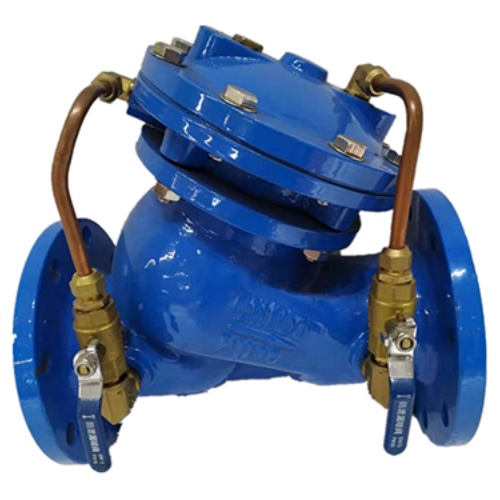
Vanne papillon à 4 % pour des applications industrielles et de contrôle de fluides efficaces
La Robinetterie Le Cas de La Papillon à Quatre Pourcents Les vannes sont des composants essentiels
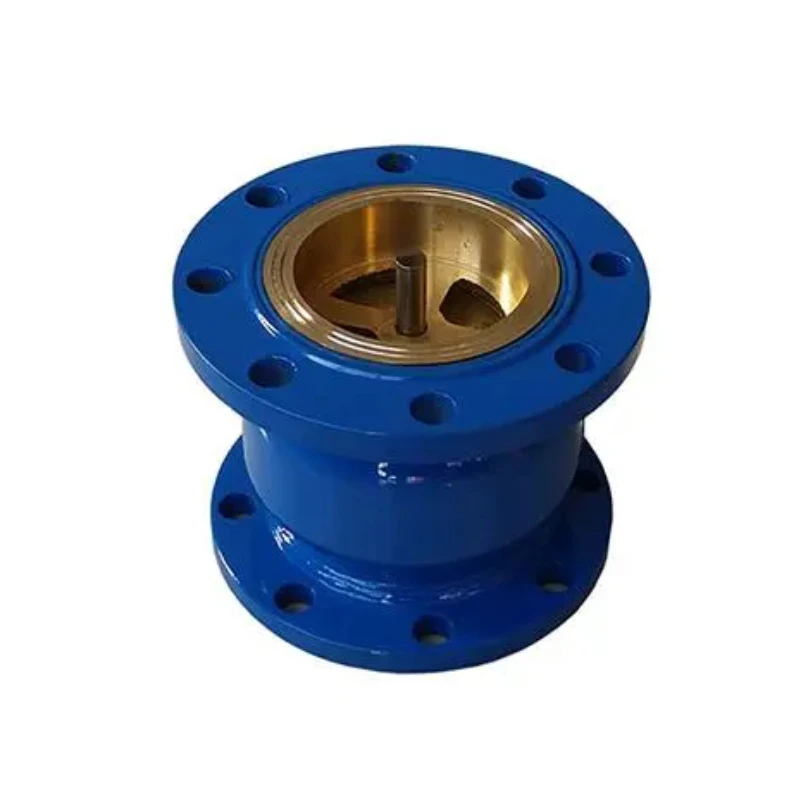
Valve Automation_ Benefits of Motorized Control Systems
In today’s rapidly evolving industrial landscape, automation has become synonymous with efficiency,
 English